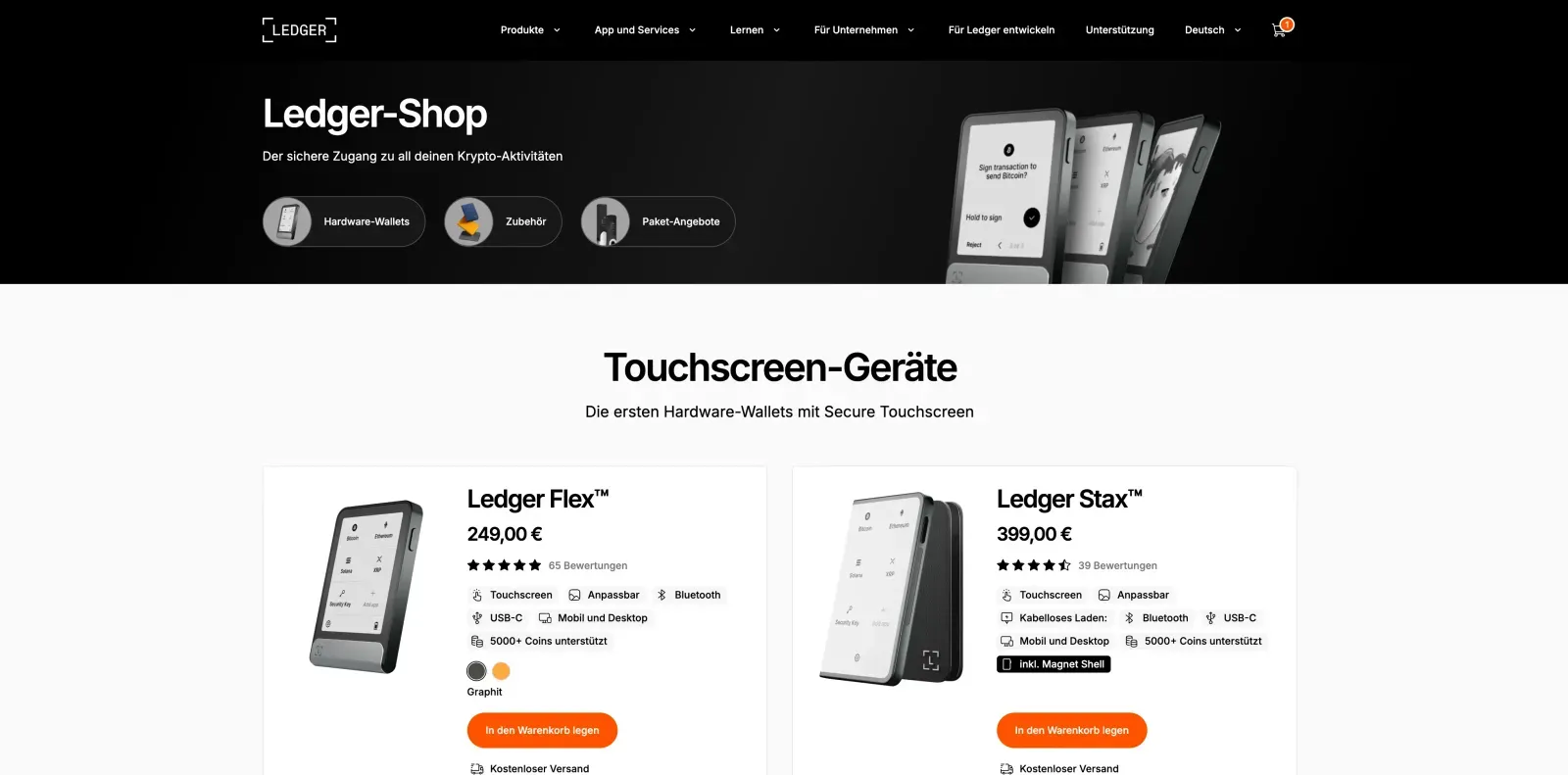
Getting Started with Ledger.com/start
Cryptocurrency has become a significant part of the financial world, and securing digital assets is more important than ever. Among the various options available, hardware wallets offer one of the safest ways to store and manage cryptocurrencies. Ledger hardware wallets, including the Ledger Nano S Plus and Ledger Nano X, are some of the most trusted devices for this purpose. To ensure users can safely set up and use these devices, Ledger provides a dedicated start page: Ledger.com/start. This article will guide you through everything you need to know about setting up and using your Ledger hardware wallet securely.
What is Ledger.com/start?
Ledger.com/start is the official onboarding portal for users who have purchased a Ledger hardware wallet. It is designed to guide new users step by step through the setup process. From device initialization to installing apps for different cryptocurrencies, the page provides clear instructions to ensure a safe and proper setup.
Using this page is critical because it prevents users from following unofficial instructions or downloading software from fraudulent sources. Ledger.com/start is curated by Ledger’s team to guarantee that users are following the safest procedures for managing their digital assets.
Why Use a Ledger Hardware Wallet?
A hardware wallet is a device that securely stores private keys offline. Unlike software wallets or exchange wallets, which can be vulnerable to hacking or phishing attacks, a hardware wallet isolates your keys from the internet. This offline storage drastically reduces the risk of theft.
Key benefits of using a Ledger hardware wallet include:
Offline Storage of Private Keys: Your private keys never leave the device, ensuring that they are protected from online threats.
Advanced Security Features: Ledger devices are built with secure chips that protect against both physical and digital attacks.
User-Friendly Interface: Ledger Live, the companion app, provides an intuitive interface for managing cryptocurrencies.
Multi-Currency Support: Ledger supports hundreds of cryptocurrencies, including Bitcoin, Ethereum, and many altcoins.
Transaction Verification: All transactions must be physically confirmed on the device, preventing unauthorized transfers.
By using a Ledger wallet, users can confidently hold their digital assets, knowing that their private keys are secure.
Preparing for Setup
Before visiting Ledger.com/start, make sure you have the following items:
Your Ledger Hardware Wallet: This could be the Ledger Nano S Plus or Ledger Nano X.
USB Cable: Needed to connect your device to a computer or compatible smartphone.
Recovery Sheet: Included in the box for recording your recovery phrase.
It is important to check that the device packaging has not been tampered with. Ledger ships devices in secure packaging, and any signs of damage or tampering should be a red flag. Never use a device if the packaging appears compromised.
Step 1: Accessing Ledger.com/start
Once you have your device ready, open a web browser on your computer or smartphone and go to Ledger.com/start. This page will direct you to download the Ledger Live application, which is essential for managing your wallet, installing cryptocurrency apps, and sending or receiving coins.
Ledger.com/start ensures that you are using official resources, minimizing the risk of downloading malicious software. It is important to always follow the instructions provided on this page carefully.
Step 2: Downloading Ledger Live
Ledger Live is the companion software for Ledger devices. It is available for Windows, macOS, Linux, iOS, and Android. Ledger Live allows you to:
Manage multiple cryptocurrency accounts
Install and update applications for different cryptocurrencies
Monitor your portfolio
Send and receive crypto securely
To download Ledger Live, follow the instructions on Ledger.com/start. Once downloaded, install the application on your computer or mobile device.
Step 3: Initializing Your Ledger Device
When you turn on your Ledger device for the first time, it will prompt you to initialize it. You have two options:
Set Up as a New Device: This option generates a new wallet and a unique 24-word recovery phrase.
Restore from Recovery Phrase: If you already have a Ledger device and wish to restore your wallet on a new device, you can enter your existing recovery phrase.
For new users, setting up as a new device is the safest choice. During initialization, you will be asked to choose a PIN code. This PIN protects your device from unauthorized access. Make sure to choose a code that is secure but memorable.
Step 4: Securing Your Recovery Phrase
One of the most critical steps in setting up a Ledger wallet is recording your 24-word recovery phrase. This phrase is the only backup of your wallet. If your device is lost, stolen, or damaged, you can restore your wallet using this phrase.
Important tips for securing your recovery phrase:
Write it down: Use the recovery sheet provided by Ledger to record the 24 words.
Store it safely: Keep the sheet in a secure, offline location. Consider using a fireproof safe or safety deposit box.
Never share it: Your recovery phrase should never be shared with anyone, including friends or family.
Never store it digitally: Avoid taking photos, screenshots, or storing it in cloud storage, as these can be hacked.
Properly securing your recovery phrase ensures that your crypto assets remain safe even if your device is compromised.
Step 5: Connecting Your Device to Ledger Live
After initializing your device and recording your recovery phrase, connect your Ledger wallet to Ledger Live. The software will verify that your device is genuine and up-to-date. Ledger Live may prompt you to install firmware updates, which are essential for maintaining security. Always install the latest firmware provided through the official Ledger Live application.
Step 6: Installing Cryptocurrency Apps
Ledger devices use apps to manage different cryptocurrencies. After connecting your device to Ledger Live, you can install apps for the specific coins you want to hold. For example:
Install the Bitcoin app to manage Bitcoin
Install the Ethereum app to manage Ethereum and ERC-20 tokens
Install other cryptocurrency apps as needed
Installing apps on the device is necessary for managing and sending transactions. Ledger Live makes this process simple and secure.
Step 7: Adding Accounts
Once the apps are installed, you can add accounts for your cryptocurrencies. Each account corresponds to a wallet address where you can receive, store, and send funds. Ledger Live allows you to manage multiple accounts for the same currency or different currencies, all from a single interface.
Adding accounts is straightforward: select the app, click “Add Account,” and follow the prompts. Ledger Live will synchronize with your device and display your balances securely.
Step 8: Sending and Receiving Cryptocurrency
With your accounts set up, you can now send and receive cryptocurrencies. Transactions must be confirmed on your Ledger device, adding an extra layer of security.
For receiving funds:
Share your public wallet address with the sender
Verify the address carefully before sharing
For sending funds:
Enter the recipient’s address in Ledger Live
Verify the transaction details on your Ledger device
Confirm the transaction by pressing the physical buttons on your device
This dual verification ensures that even if your computer is compromised, the funds cannot be stolen without physical access to your device.
Common Mistakes to Avoid
Many new users make avoidable errors during setup. Some of the most common mistakes include:
Sharing the recovery phrase: Never give your 24 words to anyone.
Downloading Ledger Live from unofficial sources: Only download from Ledger.com/start.
Entering the recovery phrase on a computer or phone: This exposes it to malware.
Using a compromised device: Check packaging and ensure your device is genuine.
Avoiding these mistakes is crucial for maintaining the security of your assets.
Advanced Security Tips
Once your Ledger wallet is set up, consider these advanced security practices:
Use a passphrase: Ledger allows adding an additional passphrase for enhanced security.
Keep your device firmware updated: Regular updates patch security vulnerabilities.
Store your recovery phrase in multiple secure locations: This ensures backup even in emergencies.
Avoid public Wi-Fi when accessing your wallet: Use trusted networks only.
By implementing these practices, you can significantly enhance the security of your digital assets.
Final Thoughts
Ledger.com/start is the safest and most reliable starting point for setting up a Ledger hardware wallet. By following the step-by-step instructions provided on this page, you can ensure that your cryptocurrency is managed securely and efficiently.
A Ledger hardware wallet, combined with proper security practices, allows users to enjoy the benefits of cryptocurrency without the fear of theft or loss. From initializing your device to sending and receiving crypto safely, Ledger.com/start provides all the tools and guidance necessary for both beginners and experienced users.
Investing time in setting up your device correctly and securing your recovery phrase is an investment in the safety of your digital wealth. Ledger’s combination of advanced technology, user-friendly software, and official guidance makes it a trusted choice for millions of cryptocurrency users worldwide.